The energy situation in the world is changing dramatically with countries and societies abandoning fossil fuels in favor of renewable ones. The use of solar and wind, and other clean technologies is taking center stage in the generation of sustainable power. Whole-house solar generators are one of the emerging technologies that have become a very important solution to residential energy distributions.
These systems enable the homeowners to produce, store and distribute their own electricity with renewable resources. The contribution of whole-house solar generators to the future of renewable energy is getting an increasing importance as more people are interested in sustainable energy. They do not only decrease the dependence on the traditional power grids, but also play a role in the decentralized and more resilient energy infrastructure.
What are Whole House Solar Generators?
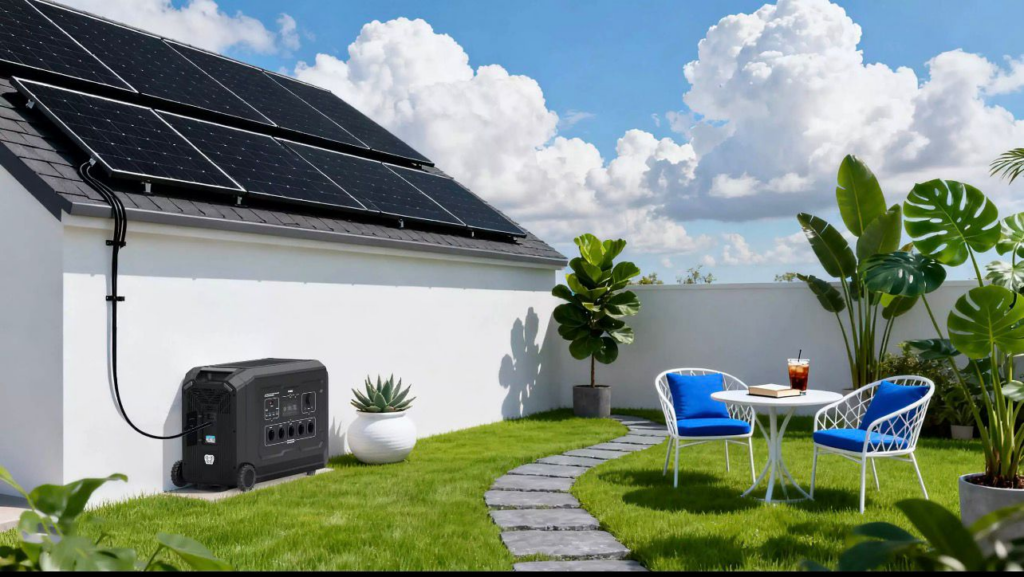
Whole house solar generator are built in energy systems that shall provide solar energy to power a complete household. These systems can accommodate large home appliances and electric systems unlike the small portable solar devices that recharge single electronics.
- A standard whole house solar generator will consist of:
- Photovoltaic panels which trap sunlight and transform it into electricity.
- Battery storage devices used to store surplus energy to be used later.
Inverters and energy management systems which convert and deliver power all over the home.
These parts combined enable one to produce a sustainable and dependable energy system in the home.
A Movement towards a Decentralized energy production.
Moving towards Local Energy Systems out of Centralized Grids.
Centralized power plants that transmit energy over large networks has been the order of the day in the generation of electricity over decades. Although this system has helped to support modern infrastructure, it has some weaknesses that include power blackouts, loss of transmissions, and strain of infrastructure.
Whole house solar generators are a part of a decentralized energy paradigm in which generation of electricity is brought nearer to consumption points. The houses that have solar generators turn into self-generating sources of energy and not mere consumers.
Such a decentralized strategy enhances the renewable energy ecosystem by alleviating the burden on national grids and fostering the self-sufficiency of a particular area.
The development of solar energy should be supported.
Raising Solar adoption at Home level.
Solar energy is among the rapidly increasing renewable energy sources in the world. Whole house solar generators are critical towards increasing solar utilization at the residential level.
By installing these systems at home, homeowners will be investing in the distributed solar capacity. The greater the number of households which have solar generators, the higher the total contribution of renewable energy to the energy mix.
This grass-roots adoption increases the move towards the cleaner and more sustainable electricity systems.
Improving Energy Storage potentials.
Intermittency is one of the issues of renewable sources of energy such as solar. Solar panels produce power when daylight is on, yet the power requirement is not exhausted when it is after sunset.
Whole house solar generators solve this issue with an improved form of battery storage. Any surplus generated in the day is saved and utilized in the night or in those rainy seasons.
This storage feature makes the power supply to be steady and reliable and it allows the solar energy production to be maximized.
Cutting down Carbon Emission and Environmental Impact.
Cleaner Energy to a Sustainable Future.
Electricity production relying on fossil fuels has become one of the greatest contributors of greenhouse gases. Whole-house solar generators reduce the carbon footprints of households because they substitute grid electricity with solar-generated power.
Solar generator-powered homes assist:
- Reduced green house gas emissions.
- Reduce air pollution
- Reduce the use of power plants that use fossil fuels.
The net effect of the increased number of households that have opted to install renewable energy systems is significant to the overall environment.
Ensuring Energy Resilience and Reliability.
The rise in extreme weather, infrastructure collapse, and the growing energy demand are putting more pressure on conventional power grids. Whole-house solar generators are a reliable backup electrical supply that keeps the important systems operating when the power goes off.
When there is a blackout, the stored solar energy can be used to power:
- Home security systems and lighting.
- Refrigeration and food storage.
- Communication devices
- Health apparatus and machinery.
This durability improves energy security as well as safety at homes.
Smart Control and Improvement.
Contemporary solar generators have sophisticated monitoring devices where the homeowner is able to monitor energy production, energy storage and consumption trends in real time.
Smart energy management systems help users to:
Optimize electricity usage
- Time schedule activities of appliances when the sun is at its best.
- Minimize unnecessary energy wastage.
- Enhance the performance of the entire system.
These characteristics enable renewable energy systems to be more convenient and practical towards ordinary households.
The development of Solar and Battery Systems.
Whole-house solar generators are becoming popular, which is driving the innovation within the renewable energy sector. The current manufacturers are putting a lot of money in research and development in order to enhance the efficiency of solar panels, batteries, and integration into the system.
- Improvements to be made in future can include:
- Intense capacity batteries with increased life cycle.
- Rapid solar charge technology.
- Smart home and electric automobile integration.
The developments will enhance renewable energy systems to be bigger, cheap, and available to more people.
Residential Solar aggregate Impact.
The effects go beyond the households, when solar generator systems are embraced by whole neighborhoods. The communities that have high rates of solar adoption have:
Less stress on the local power infrastructure.
- Reduced total carbon emission.
- Additional energy autonomy.
- Less environmental consciousness.
The cooperation of such benefits is to form sustainable and robust communities who are more suitable to face the energy challenges in future.
The Interaction of Renewable Energy Ecosystems.
Whole-house Solar powered generators will probably become a part of larger renewable ecosystems in the future. The homes can be interconnected with the electric vehicles, smart grids, and community energy networks with an aim to optimize the distribution and storage of energy.
E.g. the surplus of solar energy that homes produce could be shared with neighbors or sent to the grid to form a dynamic and collaborative energy network.
This integration will be critical towards the development of a flexible and sustainable energy infrastructure.
Conclusion:
Whole-house solar generators have been playing an important role in the future of renewable energy as the world moves to cleaner power systems. These systems will allow people to engage in the renewable energy wave directly because the systems will allow households to produce and store solar power.
Full-house solar generators help in lower emissions, greater energy security and grid resilience. They will be a foundation of sustainable residential energy systems as technology keeps developing and gaining ground.
These new solutions will continue to develop a cleaner, smarter, and more resilient energy future in and around the world over the years ahead.