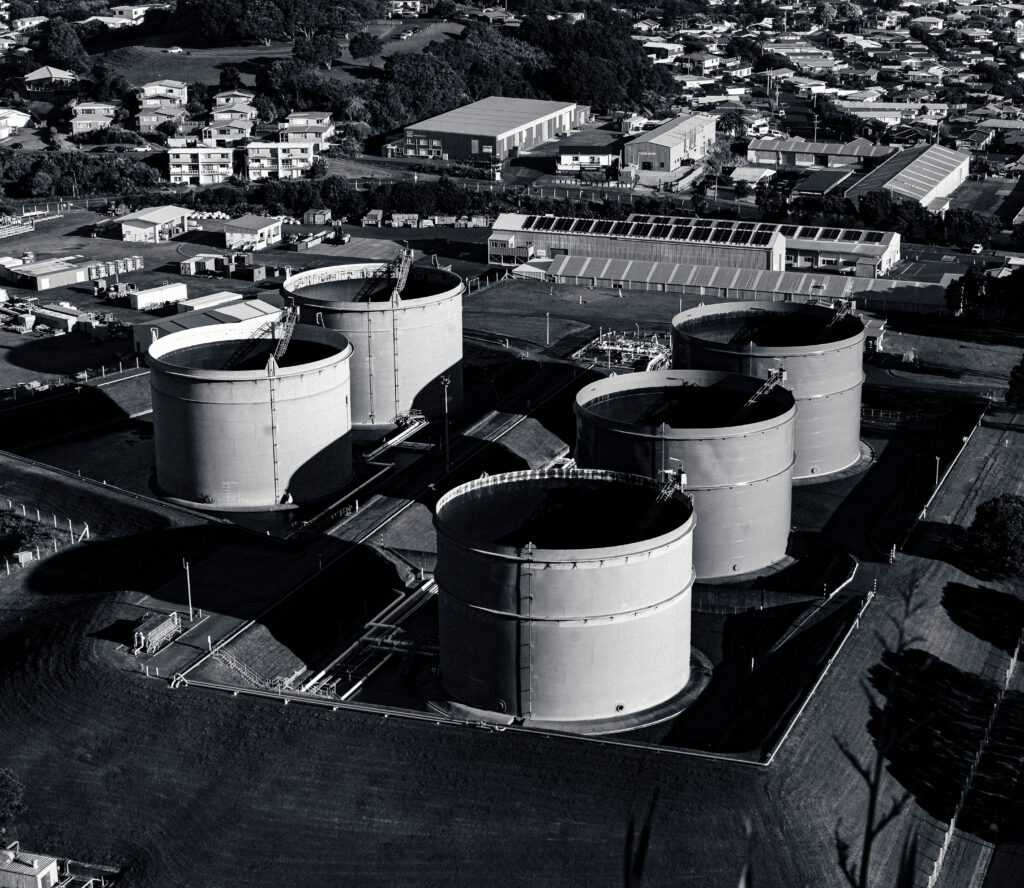
Storage tanks play a critical role across industries such as oil and gas, chemical processing, water treatment, manufacturing, power generation, and food production. These tanks are responsible for storing valuable resources, hazardous materials, and essential liquids that support daily operations. However, without proper maintenance and monitoring, storage tanks can become sources of environmental contamination, safety hazards, and costly operational disruptions. This is where tank inspection services become indispensable.
Tank inspection services are not only essential for ensuring operational reliability and regulatory compliance but also serve as a powerful tool for advancing environmental sustainability. By identifying potential issues before they escalate into major failures, inspections help organizations protect natural resources, reduce waste, extend asset life, and support long-term sustainability goals.
The Importance of Tank Inspection Services
Storage tanks are constantly exposed to environmental conditions, chemical reactions, temperature fluctuations, and operational stresses that can cause deterioration over time. Corrosion, cracking, structural fatigue, coating failures, and leaks can compromise tank integrity and create significant risks for both businesses and the environment. Regular storage tank inspection helps detect these issues early, enabling operators to address potential problems before they develop into costly failures or environmental incidents. Using advanced technologies such as non-destructive testing (NDT), ultrasonic thickness measurements, drone inspections, robotic systems, and digital monitoring tools, inspectors can evaluate the overall health of storage assets with minimal disruption to operations. These inspections provide organizations with valuable insights that support proactive maintenance strategies and informed decision-making.
Preventing Environmental Contamination
One of the most significant sustainability benefits of tank inspection services is their ability to prevent environmental contamination. Leaks from storage tanks can release hazardous substances into soil, groundwater, surface water, and surrounding ecosystems. Even minor leaks can cause long-term environmental damage and result in expensive cleanup efforts.
Regular inspections help identify corrosion, weld defects, structural weaknesses, and other conditions that may lead to leaks or spills. By addressing these issues early, organizations can significantly reduce the risk of environmental incidents and protect nearby communities and natural habitats.
For industries handling petroleum products, chemicals, wastewater, or other potentially harmful materials, preventive inspections serve as a critical line of defense against pollution and environmental degradation.
Extending Asset Lifespan and Reducing Resource Consumption
Sustainability is not only about reducing emissions and preventing pollution; it is also about maximizing the value of existing resources. Manufacturing and installing new storage tanks require significant amounts of raw materials, energy, and labor. Premature replacement of tanks increases resource consumption and contributes to higher carbon emissions throughout the supply chain.
Tank inspection services help organizations extend the operational lifespan of their assets through predictive and preventive maintenance. Instead of waiting for equipment to fail, businesses can identify deterioration early and implement targeted repairs that restore performance and reliability.
By extending asset life, companies reduce the demand for new materials such as steel and concrete while minimizing the environmental impact associated with manufacturing, transportation, and construction activities.
Supporting Waste Reduction and Circular Economy Principles
Modern sustainability strategies increasingly emphasize the principles of the circular economy, which focuses on maintaining products, materials, and assets in use for as long as possible. Tank inspection services directly support these objectives by enabling repair, refurbishment, and optimization rather than replacement.
When inspections reveal localized corrosion or structural issues, organizations can often perform repairs that restore tank functionality without replacing the entire asset. This approach minimizes construction waste, reduces material consumption, and supports more responsible resource management.
The ability to repair and maintain existing infrastructure aligns with sustainability goals by reducing the environmental footprint associated with disposal and new production.
Enhancing Operational Efficiency
Efficient operations are an important component of sustainability. Storage tanks that suffer from insulation failures, product losses, or structural inefficiencies can negatively affect operational performance and increase resource consumption.
Tank inspections help identify conditions that may compromise efficiency, including damaged coatings, insulation degradation, or containment issues. Correcting these problems can reduce product losses, improve energy performance, and optimize storage operations.
In industries where large volumes of liquids or chemicals are stored, even small improvements in efficiency can result in substantial reductions in waste, energy use, and operating costs. As a result, inspection programs contribute to both environmental and economic sustainability.
Protecting Water Resources
Water is one of the world’s most valuable natural resources, and protecting it is a central objective of sustainable development. Storage tanks used in water treatment facilities, municipal systems, and industrial operations must maintain high levels of integrity to prevent contamination and water loss.
Regular tank inspections help ensure that potable water storage systems remain safe and secure. They also identify leaks and structural issues that could result in significant water losses over time.
For wastewater treatment facilities, inspections are equally important. Maintaining containment integrity prevents untreated or partially treated wastewater from entering surrounding ecosystems and waterways, helping organizations safeguard public health and environmental quality.
Supporting Regulatory Compliance and ESG Goals
Environmental regulations governing storage tanks continue to evolve as governments and industries place greater emphasis on sustainability and risk management. Compliance with these regulations is essential for avoiding penalties, maintaining operating licenses, and demonstrating environmental responsibility.
Tank inspection services help organizations meet regulatory requirements by documenting asset conditions, identifying risks, and verifying compliance with industry standards. Beyond compliance, inspection programs also support Environmental, Social, and Governance (ESG) initiatives by providing measurable evidence of proactive environmental stewardship.
Investors, customers, and stakeholders increasingly expect organizations to demonstrate responsible asset management practices. Regular inspections show a commitment to safety, environmental protection, and sustainable operations.
Leveraging Technology for Sustainable Asset Management
Advances in inspection technology are further strengthening the relationship between tank inspections and sustainability. Drones, robotic crawlers, remote monitoring systems, artificial intelligence, and digital twins allow inspectors to gather highly accurate data while reducing operational disruptions and resource consumption.
These technologies enable more frequent inspections, improved defect detection, and data-driven maintenance planning. Remote inspection methods can also reduce travel requirements, lower emissions associated with field operations, and improve worker safety.
As digital transformation continues to reshape industrial maintenance practices, technology-driven inspections will play an increasingly important role in achieving sustainability objectives while maintaining asset integrity.
Tank inspection services are far more than a maintenance requirement; they are a strategic investment in environmental sustainability, operational efficiency, and long-term asset performance. By preventing leaks, reducing waste, extending equipment lifespan, protecting water resources, and supporting regulatory compliance, inspections help organizations minimize their environmental impact while maximizing the value of their infrastructure.
As industries continue to prioritize sustainability and responsible resource management, proactive storage tank inspection programs will remain a cornerstone of effective asset integrity management. Organizations that invest in regular inspections not only protect their operations and assets but also contribute to a safer, cleaner, and more sustainable future.